



Caribbean Shipping Lanes
Get on board the Caribbean’s Green and Just Shipping Transition!
Vision Statement
To chart a bold new era for Caribbean shipping, anchored in resilience, driven by innovation, and committed to a just and equitable energy transition for all.
Mission Statement
Through exemplary service and integrity, Caribbean Shipping Lanes empowers the Caribbean’s voice in global maritime decarbonisation negotiations by delivering technical excellence, promoting inclusive dialogue, and leading with purpose.
About the Project
The international shipping industry, under the guidance of the IMO, has set an ambitious target to achieve net-zero emissions by or around 2050. Central to this commitment is the 2023 IMO Strategy on Reduction of GHG Emissions from Ships, which establishes a dual approach: a goal-based greenhouse gas (GHG) fuel intensity standard and a pricing mechanism for maritime GHG emissions.
To implement this strategy, binding measures—collectively referred to as the “basket of measures”—are being negotiated to support the transition of the shipping industry. The Strategy outlines emission reduction targets for 2030 and 2040, with a review of net-zero emissions by or around 2050. Key priorities for this transition are to enable a level playing field and to ensure a just and equitable transition that leaves no country behind. The overall transition is expected to cost over USD 1 trillion by 2050.

The CSL Project focuses on addressing the unique challenges faced by the region, ensuring that the outcomes of IMO negotiations reflect and protect the Caribbean’s maritime interests and promote sustainable development in the face of climate change. For Caribbean states, whose economies depend heavily on maritime trade, these negotiations hold significant importance, as they impact regional trade, economic stability, and climate resilience. The CSL Project seeks to:
- Enhance the capacity of regional negotiators and policymakers to advocate for just and equitable measures that align with the region’s economic and developmental priorities.
- Conduct technical analyses and stakeholder consultations to evaluate how the IMO’s basket of measures will affect Caribbean economies, trade, and maritime sectors.
- Advocate for financing mechanisms, technical assistance, and capacity-building initiatives that ensure a just transition for SIDS.
- Strengthen collaboration among Caribbean nations to develop unified positions on key maritime policies and advance shared regional interests at the IMO.
Key Activities
Research and Analysis
Providing data-driven insights on the economic and environmental implications of proposed maritime decarbonization measures for the region.
Stakeholder Consultations
Hosting national and regional discussions with maritime administrations, shipping operators, port authorities, and other key actors to gather insights on policy impacts.
Capacity-Building and Training
Organizing workshops, policy briefings, and technical sessions to equip Caribbean negotiators with the tools needed to engage effectively in IMO meetings.
Policy Advocacy and Representation
Supporting Caribbean delegations in articulating evidence-based positions at the IMO, particularly in discussions related to GHG reduction, fuel transition, and financial mechanisms.
Meet the CSL Team

Ms. Nafesha Richardson
Project Manager

Ms. Tianna Blades
Lead, Stakeholder Engagement

Ms. Jaeda Sutherland
Lead, Delegation Support and Training

Mr. Nyus Alfred
Lead, Media and Strategic Communications

Mr. Dervin Osbourne
Lead, Digital Communications
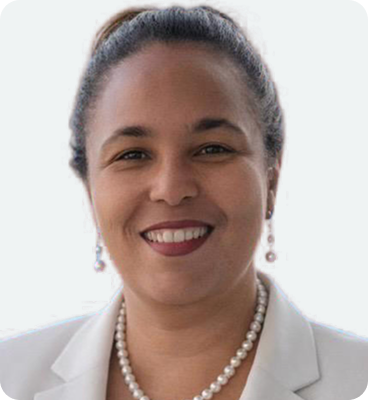
Mrs. Desiree Evelyn
Administrator

Dr. Jan Yves Remy
Founder and Advisor (ON LEAVE)
CSL also coordinates and commissions expert work including impact assessments, economic modeling, legal analysis, and stakeholder consultations to better understand how the IMO’s decarbonization measures will affect the Caribbean. CSL collaborates with stakeholders to assess the impact of IMO GHG policies, model economic effects on key industries, explore food security threats, analyse Caribbean legal interests, engage regional stakeholders and advance decarbonization research and sustainable energy options, ensuring the region’s informed engagement in global maritime discussions.
Trade, Shipping and Climate Change - Facts and Figures
1%
Small Island Developing States (SIDS) account for less than 1% of global greenhouse gas emissions.
2022
In 2022, CARICOM exported $43.7B (0.18% of global exports) and imported $47.1B (0.2% of global imports).
2.89%
The shipping industry is responsible for approximately 2.89% of GHG emissions, according to the IMO.
2050
The 2023 IMO Strategy on Reduction of GHG Emissions from Ships aims to peak GHG emissions from international shipping as soon as possible and to reach net-zero GHG emissions by or around, i.e. close to, 2050.
Caribbean Shipping Lanes Reports
A Multidisciplinary Examination of Caribbean Interests in Maritime Decarbonisation (March 2025)
Caribbean Shipping Lanes (CSL) is pleased to launch a series of reports analysing the impact of the 2023 IMO Strategy on the Reduction of GHG Emissions from Ships on the Caribbean. Commissioned between November 2024 and January 2025, these reports provide region-specific insights to help Caribbean delegates, policymakers, and industry leaders navigate the legal, economic, and technological shifts required for low-carbon shipping. They examine key issues such as trade impacts, shipping costs, food security, legal frameworks, strategic decarbonisation options, and stakeholder perspectives from regional consultations. By offering a comprehensive analysis of these challenges and opportunities, the reports serve as a valuable resource for shaping effective policies and strategies.
This initiative empowers Caribbean negotiators and policymakers to engage effectively in IMO negotiations, assess the international and domestic implications of proposed measures, and learn from global best practices. With tailored insights, the reports provide a strong foundation for advocating policies that balance climate goals with the region’s economic and social realities. CSL extends its sincere gratitude to the expert contributors whose knowledge and analysis help strengthen informed decision-making, ensuring that the Caribbean plays an active role in shaping a sustainable and equitable maritime future.
See Reports
Reports
(6)
The Caribbean Perspective: The Journey to MEPC83 and Beyond (April 2025)
This report offers a glimpse into the region’s path to MEPC 83—and a look ahead at what comes next. It traces the development of the 2023 IMO Strategy on the Reduction of Greenhouse Gas Emissions from Ships, with particular focus on how Caribbean Member States responded; recounts how the region organized itself leading up to the meeting, including the technical groundwork, coalition-building, and advocacy; assesses the contents of the agreement, with insights from CSL experts on its likely impacts; and offers initial reflections on how the Caribbean might respond—both within and beyond the IMO. Feel free to browse and explore any section, as the report combines rich technical detail with a personal and political narrative.
See Reports
Caribbean Shipping Lanes Blogs
The Caribbean Shipping Lanes blog is a regular publication which explores shipping, trade, and climate change in the Caribbean. Through our own contributions and those of guest authors, we offer crucial insights into the latest developments in maritime regulations, regional trade trends, and strategies to address climate challenges affecting the Caribbean’s essential shipping routes.
The views and opinions expressed are solely those of the individual authors and are presented for academic interest and discussion. They do not reflect the official policies or positions of the Shridath Ramphal Centre (SRC) or partners of Caribbean Shipping Lanes.

19th September 2024 Project Syndications Article by Shania Scotland

25th September 2024 Trading Thoughts by Nafesha Richardson

25th February 2025 Trading Thoughts by Rosemarie Cadogan and Tianna Blades
Meetings
CSL Supported Caribbean Delegations at the IMO
The UWI-CSL Project supported Caribbean delegations during the International Maritime Organization’s (IMO) 21st Intersessional Working Group on Reduction of Greenhouse Gas Emissions from Ships (ISWG-GHG 21), held from April 20–24, 2026, and the 84th Session of the Marine Environment Protection Committee (MEPC 84), held from April 27–May 1, 2026, in London. Delegations from Antigua and Barbuda, The Bahamas, Barbados, Belize, Dominica, Jamaica, Saint Kitts and Nevis, Saint Lucia, and Saint Vincent and the Grenadines participated in the negotiations, which focused on the proposed Net-Zero Framework and the future of shipping decarbonisation. Throughout the two-week period, UWI-CSL provided technical, strategic, and communications support while helping to strengthen regional coordination. As discussions highlighted differing views on the pathway toward net-zero shipping, Caribbean countries continued to advocate for a just and equitable transition that recognizes the region’s unique vulnerabilities and dependence on maritime transport. With additional negotiations scheduled for September and November, UWI-CSL remains committed to supporting Caribbean engagement in these critical discussions.
CSL Participates in CSEC 2026
The Caribbean Shipping Lanes (CSL) Project participated in the Caribbean Shipping Association’s 24th Caribbean Shipping Executives’ Conference (CSEC 2026), held in Curaçao from May 18–20, 2026. The conference brought together senior leaders, policymakers, industry representatives, and maritime professionals from across the region to discuss the opportunities and challenges shaping the future of Caribbean shipping.Throughout the conference, participants explored a range of issues impacting the sector, including maritime decarbonisation, regulatory developments, technological innovation, sustainability, trade, and regional resilience. The event also provided an important platform for networking, collaboration, and knowledge sharing among stakeholders from across the Caribbean maritime community.As part of the programme, CSL Project Manager Nafesha Richardson and Stakeholder Lead Tianna Blades introduced the Project and shared insights on recent developments at the International Maritime Organization (IMO), including ongoing negotiations surrounding the proposed Net-Zero Framework. The presentation highlighted CSL’s work in supporting Caribbean engagement in international maritime discussions and strengthening the region’s technical capacity to participate in the global transition toward sustainable shipping.The conference provided valuable opportunities to engage with government representatives, shipping companies, port authorities, maritime regulators, and regional partners, reinforcing the importance of collaboration as the Caribbean navigates the evolving landscape of maritime decarbonisation.
CSL Engages Stakeholders on IMO Net-Zero Framework in Jamaica
CSL participated in a series of high-level engagements in Jamaica from March 10–12, joining the Delegation of the European Union and the Maritime Authority of Jamaica to support consultations on the IMO Net-Zero Framework. The sessions brought together government and industry stakeholders to examine the framework’s design, current status and potential impacts on trade and the economy. CSL Project Manager Nafesha Richardson contributed to a technical presentation on these implications, helping to ground global policy discussions in a Caribbean context.
CSL Supports Green Pioneer Visit to Trinidad and Tobago
The Green Pioneer, the world’s first dual-fuel ammonia-powered vessel, visited Trinidad and Tobago in late January 2026, offering a real-world demonstration of low-carbon shipping in practice. CSL supported a reception hosted by Fortescue and Kenesjay Green Limited on January 30 to mark the vessel’s arrival and engage regional stakeholders. The visit highlighted ammonia’s potential as a scalable marine fuel and underscored the Caribbean’s opportunity to play a role in emerging green fuel supply chains, alongside the need for readiness in port infrastructure, regulation and workforce capacity.
Webinars
MEPC84 and Beyond: Regional Perspectives on the Evolving IMO Decarbonisation Agenda
Following the conclusion of ISWG-GHG 21 and MEPC 84, CSL hosted a regional webinar examining the outcomes of the latest negotiations on shipping decarbonisation at the IMO on May 28, 2026The webinar brought together experts from Belize, Mexico, and Tuvalu to provide perspectives from the Caribbean, Latin America, and the Pacific on the proposed Net-Zero Framework and the future of global shipping regulation. Featured panelists included Darlin Gaitán of the International Merchant Marine Registry of Belize (IMMARBE), Dr. Raul Zepeda Gill of the National Autonomous University of Mexico (UNAM), and Pierre-Jean Bordahandy of the Micronesian Center for Sustainable Transport, with moderation by CSL’s Media and Strategic Communications Lead Nyus Alfred.Panelists explored the progress made during the negotiations, the differing positions advanced by Member States, and the challenges that remain in achieving consensus on a global framework for reducing emissions from international shipping. Discussions also highlighted the importance of ensuring that the concerns of Small Island Developing States (SIDS) are reflected in any final agreement and examined what a just and equitable transition means in practice for vulnerable maritime economies.The webinar formed part of CSL’s ongoing efforts to strengthen awareness and understanding of international maritime negotiations while providing a platform for regional dialogue on issues that have significant implications for the Caribbean and other developing coastal and island states.
Unpacking MEPC ES.1 and ISWG-GHG: What Happened, What’s Next, and What It Means for the Caribbean
Following the Extraordinary Session of the Marine Environment Protection Committee (MEPC ES.1) and the accompanying ISWG-GHG negotiations, CSL convened a panel of regional experts to help Caribbean stakeholders understand the implications of the decision to postpone adoption of the proposed Net-Zero Framework.
Featuring technical experts Dale Ramlakhan, Philip Julien, Professor David Berry, and David Forgenie, the discussion examined the key issues that contributed to the delay, including disagreements over greenhouse gas pricing, implementation timelines, and the structure of the proposed framework. Panelists also explored the significance of the decision for Caribbean states and discussed how the region could strategically position itself during the additional year of negotiations.
The session provided participants with a practical overview of the Net-Zero Framework, the evolving political dynamics within the IMO, and the importance of maintaining a coordinated Caribbean approach as discussions on shipping decarbonisation continued.
SRC IMO-Related Training and Workshops
Regional Workshop on the 2023 IMO GHG Strategy in Belize
Over the past year, the Belize Port Authority, supported by international and regional partners, has led the Caribbean in crucial shipping decarbonisation negotiations at the IMO. In March 2024, Caribbean delegations met with representatives from the Kingdom of the Netherlands to address the impact of mid-term measures on small island developing states (SIDS). This collaboration resulted in a workshop held in Belize City from July 10–11, 2024, gathering 85 participants from 18 member states and territories. The workshop focused on implementing and reviewing short-term measures, developing mid-term strategies, and addressing the unique challenges faced by Caribbean maritime sectors. The workshop underscored the critical role of Caribbean institutions and the importance of ongoing regional collaboration to achieve sustainable maritime decarbonisation.
More information about the workshop is available here.

Strategic Training on IMO Climate Change-Related Negotiations for CARICOM Maritime Officials
Shipping is vital to the Caribbean region’s economic stability and development, making it imperative for Caribbean Community (CARICOM) member states to play a crucial role in IMO GHG reduction negotiations to ensure sustainable and equitable growth. Through the collaborative efforts of the SRC, the University College London (UCL) Energy Institute, the United Nations (UN) Foundation and the Belize Port Authority (BPA), a virtual strategic training session for maritime officials from the Caribbean Community (CARICOM) engaged in climate-related negotiations at the IMO was convened from the 22-26 July 2024. This training provided participants with a comprehensive understanding of the IMO and its role in addressing climate change, particularly in the context of the shipping industry.
More information about the training is available here.
CSL Stakeholder Engagement Workshops
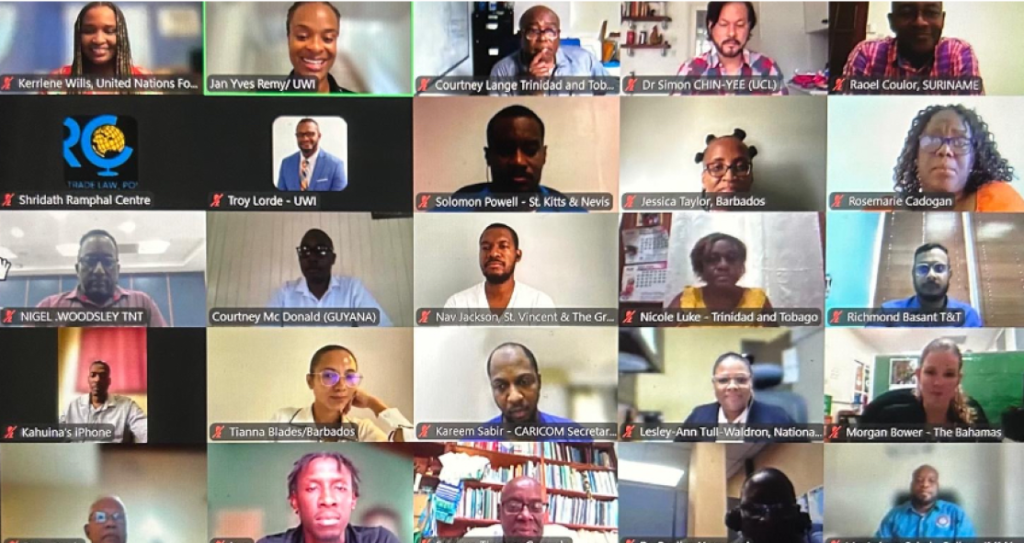
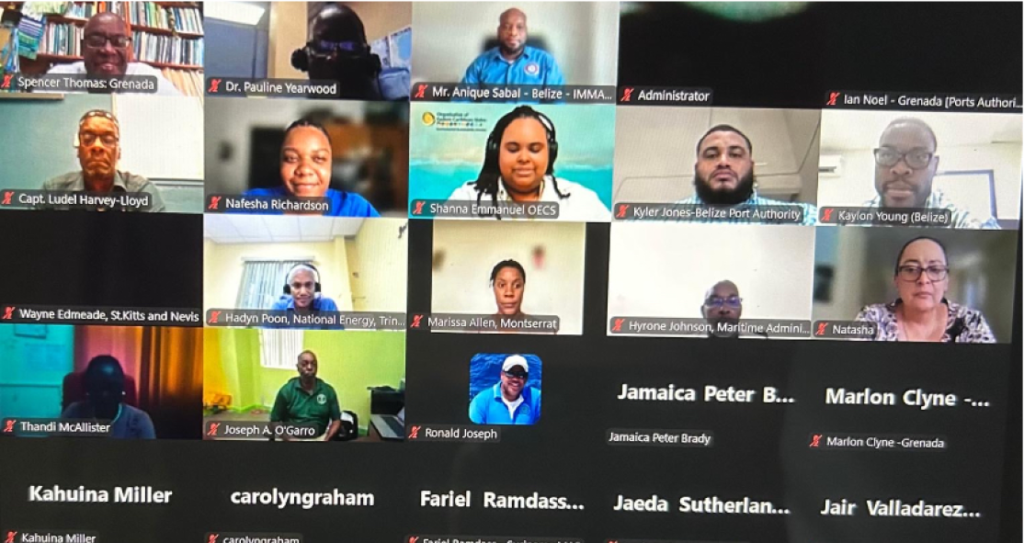
In January 2025, CSL conducted a series of stakeholder consultation workshops across four Caribbean nations to discuss the IMO’s proposed measures for reducing greenhouse gas emissions in the shipping industry. These workshops aimed to assess the potential impacts of the IMO’s GHG reduction strategy on SIDS and to formulate unified regional positions for upcoming international negotiations. Led by CSL Stakeholder Engagement Consultant Rosemarie Cadogan and supported by members of the CSL project team, these sessions brought together key maritime and policy stakeholders.
St. Vincent and the Grenadines
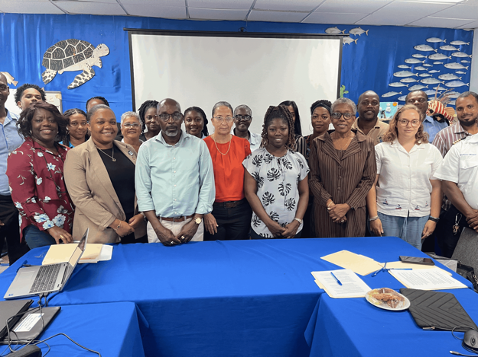
January 21, 2025
The inaugural workshop in Kingstown gathered maritime stakeholders to evaluate the effects of the IMO’s proposed measures, particularly focusing on the implications of a carbon levy and the necessity for more sustainable ferry services. The session saw pivotal contributions from Hyrone Johnson, Director of the SVG Maritime Administration, and Nafesha Richardson, SRC-IMO Research Fellow.
St. Lucia
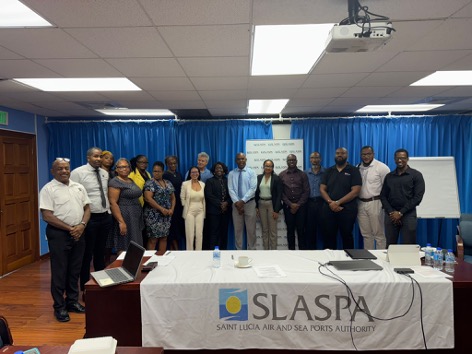
January 23, 2025
Held in Castries, this workshop brought together participants from both public and private sectors to explore the challenges and opportunities presented by the IMO’s 2023 GHG Strategy. Discussions centered on the potential impact of the proposed measures on St. Lucia’s maritime industry. The session was led by Christopher Alexander, Director of Maritime Affairs at SLASPA, and SRC-IMO Research Fellow Tianna Blades.
Jamaica
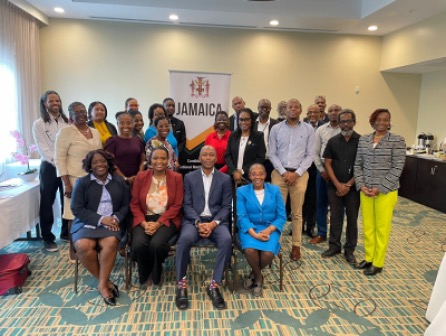
January 26, 2025
In Kingston, stakeholders engaged in comprehensive discussions on how the IMO’s proposed measures intersect with climate change, maritime policy, and sustainable development across Jamaica’s diverse industries. The workshop was supported by Bertrand Smith, Director of the Maritime Authority of Jamaica, and Kerrlene Wills of the United Nations Foundation.
Antigua and Barbuda
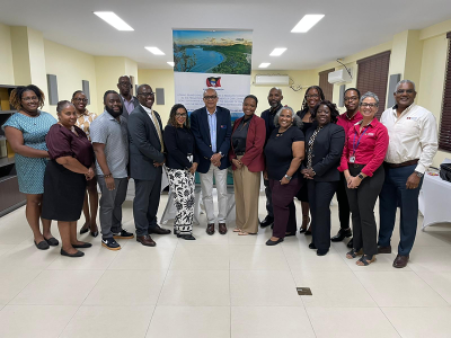
January 30, 2025
The final consultation in St. John’s aimed to refine national perspectives on the IMO’s proposed measures, ensuring that considerations specific to SIDS remain central in international negotiations. Key contributions were made by Ambassador Dwight Gardiner, Darion Lake, and Darwin Telemaque, CEO of the Antigua and Barbuda Port Authority, with support from Kerrlene Wills of the United Nations Foundation.
These workshops are pivotal in shaping the Caribbean’s stance for upcoming IMO meetings, advocating for a fair and equitable transition for SIDS in the global effort to reduce GHG emissions from shipping.

Important IMO-Related Documents, Submissions and Publications
General
ISWG Submissions
ISWG Submissions
(7)
3 January 2025
Belize, Dominica, Fiji, Jamaica, Kiribati, Marshall Islands, Palau, Samoa, Seychelles, Solomon Islands, Tonga, Tuvalu and Vanuatu
ISWG-GHG 18/2/20
3 January 2025
Antigua and Barbuda, Belize, Dominica, Ethiopia, Fiji, Jamaica, Kiribati, Marshall Islands, New Zealand, Palau, Samoa, Seychelles, Singapore, Solomon Islands, Tonga, Tuvalu and Vanuatu
ISWG-GHG 18/2/19
3 January 2025
Belize, Fiji, Jamaica, Marshall Islands, Palau, Seychelles, Solomon Islands, Tonga, Tuvalu, Vanuatu and ICS
ISWG-GHG 18/2/6
20 December 2024
Austria, Bahamas, Belize, Belgium, Bulgaria, Croatia, Cyprus, Czechia, Denmark, Estonia, Fiji, Finland, France, Georgia, Germany, Greece, Hungary, Ireland, Italy, Jamaica, Japan, Kenya, Latvia, Liberia, Lithuania, Luxembourg, Malta, Marshall Islands, Montenegro, Netherlands (Kingdom of the), Nigeria, Palau,Panama, Poland, Portugal, Republic of Korea, Romania, Seychelles, Slovakia, Slovenia, Solomon Islands, Spain, Sweden, Tonga, Tuvalu, Ukraine, United Kingdom, Vanuatu, European Commission and ICS
ISWG-GHG 18/2/5
9 August 2024
Antigua and Barbuda, Belize, Dominica, Grenada, Jamaica and Saint Lucia
ISWG 17/2/18
26 January 2024
Belize, Fiji, Kiribati, Marshall Islands, Nauru, Solomon Islands, Tonga, Tuvalu and Vanuatu
ISWG-GHG 16/2/6
25 January 2024
Bahamas, Liberia and ICS
ISWG-GHG 16/2/3
MEPC Submissions
MEPC Submissions
(2)
26 July 2024
Antigua and Barbuda, Jamaica, Saint Kitts and Nevis, Saint Vincent and the Grenadines, and Trinidad and Tobago
MEPC 82/INF.48
24 July 2024
Antigua and Barbuda, Belize and Suriname
MEPC 82/INF.18
Other Important Documents and Resources
Other Important Documents and Resources
(12)
skip to section
About the Project
Key Activities
Meet the CSL Team
Facts and Figures
Caribbean Shipping Lanes Reports
Blogs
Training and Workshops
IMO Related Documents, Submissions and Publications