Once again, there is local concern in Barbados about a small step in fostering closer regional ties. Effective July 1, 2026, citizens of Barbados and Guyana will have two options to travel between their nations: by passport or by national identification (ID) card. Similar to the Enhanced Cooperation in Free Movement regime among four Caribbean Community (CARICOM) states (Barbados, Belize, Dominica, St. Vincent and the Grenadines) that came into effect on October 1, 2025, the announcement has already stirred security, administrative and legal concerns. The concern is understandable and stems largely from a lack of information; that failure lies squarely with those responsible for communicating these changes.
Nothing New Here…
ID Card use for travel is not novel. Some regional groupings around the world already use ID Cards for travel. Within the European Union (EU), the 27 EU member countries and four countries of the Schengen area (Iceland, Liechtenstein, Norway and Switzerland) have the option to travel using their national ID cards. Similarly, nationals of the Gulf Cooperation Council (GCC) countries (Bahrain, Kuwait, Oman, Qatar, Saudi Arabia, and the United Arab Emirates) can use national ID cards for travel between member states. Closer to home here in the Caribbean region, the Organisation of Eastern Caribbean States (OECS) protocol members (Antigua and Barbuda, Dominica, Grenada, Montserrat, Saint Kitts and Nevis, Saint Lucia, and Saint Vincent and the Grenadines) can travel with a valid government-issued ID, whether a driver’s licence, national identification card, or voter’s card.
Possibilities with Mutual Recognition of ID Cards
There are many benefits to mutual recognition of ID cards for travel, especially in tourism trade and for business facilitation. Most citizens of a country will likely possess an ID card rather than a passport. So, it is likely, though not guaranteed, that this new option can increase demand for travel between the two countries. It is hoped that countries have been monitoring travel between the two nations and will disclose the findings of the measure, as this would not only be a policy driven by research and data, but could serve as a beacon to draw others towards the possibility of full free movement within CARICOM.
Although the announcement by the governments of Barbados and Guyana did not mention business facilitation, this measure also has the potential to serve as a springboard for cross-border electronic transactions, in which, through mutual recognition, something like signing a contract can be done without leaving Barbados or Guyana. Additionally, this can also allow for integration of these countries’ digital economies in the future. In sum, the mutual recognition and use of ID cards for travel can drive economic and regional integration, enabling safe and managed migration.
Standards Exist!
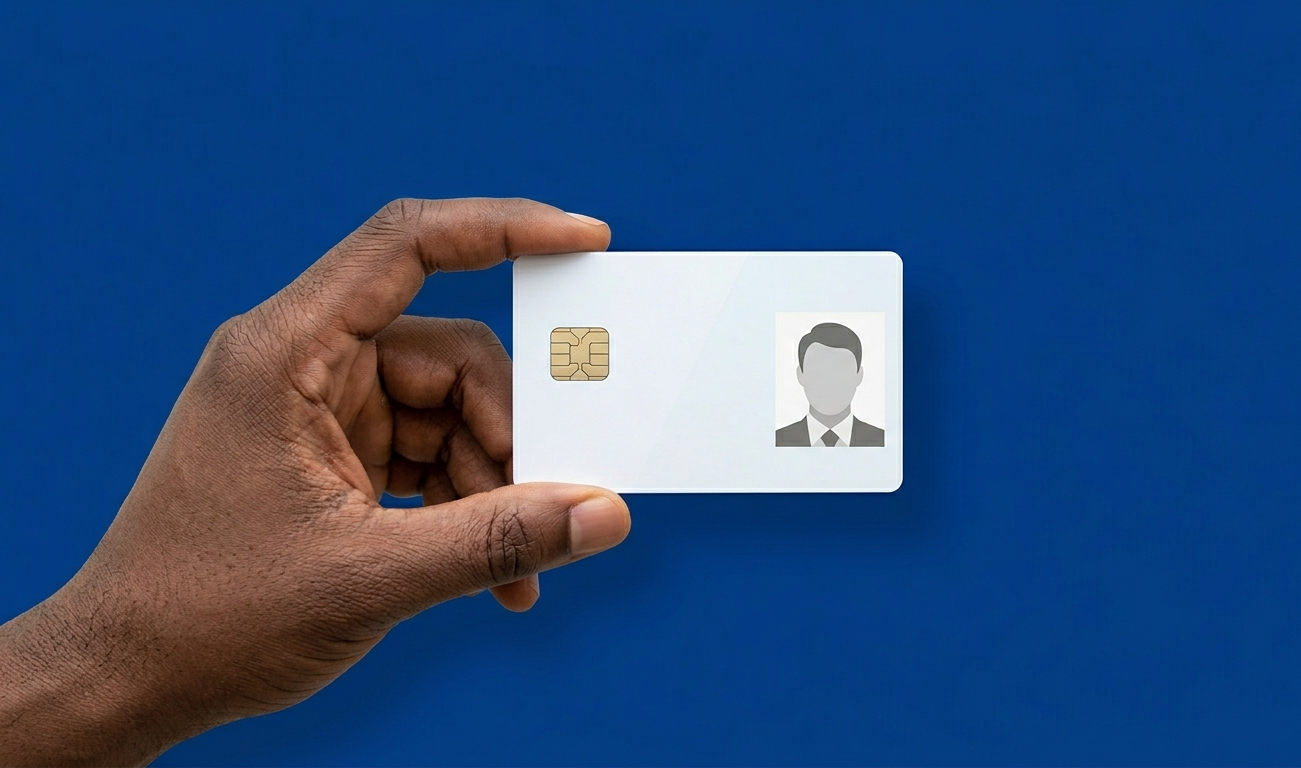
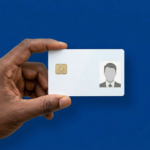
When countries agree to accept each other’s ID cards as valid travel documents, the cards would need to meet a basic, agreed-upon threshold for border systems to authenticate them. At the international level, there are standards for machine-readable travel documents, under which ID cards fall. The International Civil Aviation Organization (ICAO), a United Nations organisation, sets standards (ICAO Doc 9303) governing the size and shape of travel documents, the position and type of information required, photo quality and placement, biometric data requirements, physical material resilience, security features, and electronic data chip layouts. ICAO standards not only help border officials verify the authenticity of legitimate travel documents, but also equip them to identify and flag fraudulent ones. The two governments will certainly have to agree on levels of assurance which will allow travellers to be confident that their identifying information will be properly authenticated at the border.
Considerations for Readiness
Before this announcement, all travellers to Barbados and Guyana were required to present a valid passport, so this is a new but not impossible undertaking. Notwithstanding the existence of standards, it is imperative that training and capacity building for border officials be in place to facilitate the move. Further, concerning infrastructure, the information technology systems at these borders would need to be in place to facilitate this step.
Evidently, the outcry from some on local airwaves and in public discourse in Barbados reveals the obvious: there has been no prior public communication about the move. This is not to say that governments have not been working behind the scenes towards the July 1 commencement date, but this is why persons have been worrying about whether criminals can get in more easily, what will happen if a national of one of the countries commits a crime, and there is the possibility that they may have an alternative to leaving the country, the legal adjustments required, among other concerns. I will proffer that, in the time left, there needs to be intense public communication to explain the facts, debunk the myths, and assure that concerns raised will be addressed through appropriate systems and legal channels. The public deserves this.
A Bulb in the Beacon
While some see this measure as merely ceremonial and symbolic, I view it with genuine hope, much like the implementation of full free movement among the four CARICOM states last year. As an alumna of a regional success story in The University of the West Indies, and a hopeful optimist about CARICOM despite its current challenges, I appreciate full free movement not solely for its economic benefits, but because my time on campus was a lived regional experience. I, like many, would love to see things move faster across the wider CARICOM region. But recognising that this is a community of sovereign states, small steps matter on the long road to full integration. For me, these incremental initiatives are the beacons that light the way.
Vanessa Mason is the Research Assistant at the Shridath Ramphal Centre for International Trade Law, Policy & Services of The University of the West Indies, Cave Hill.