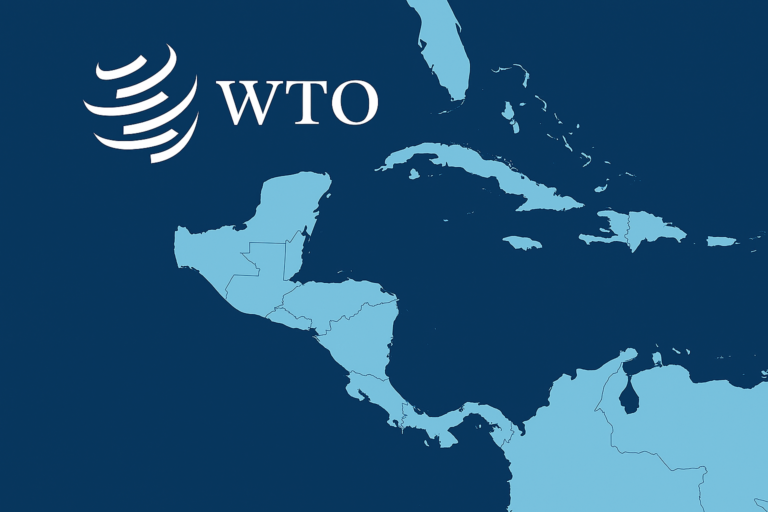
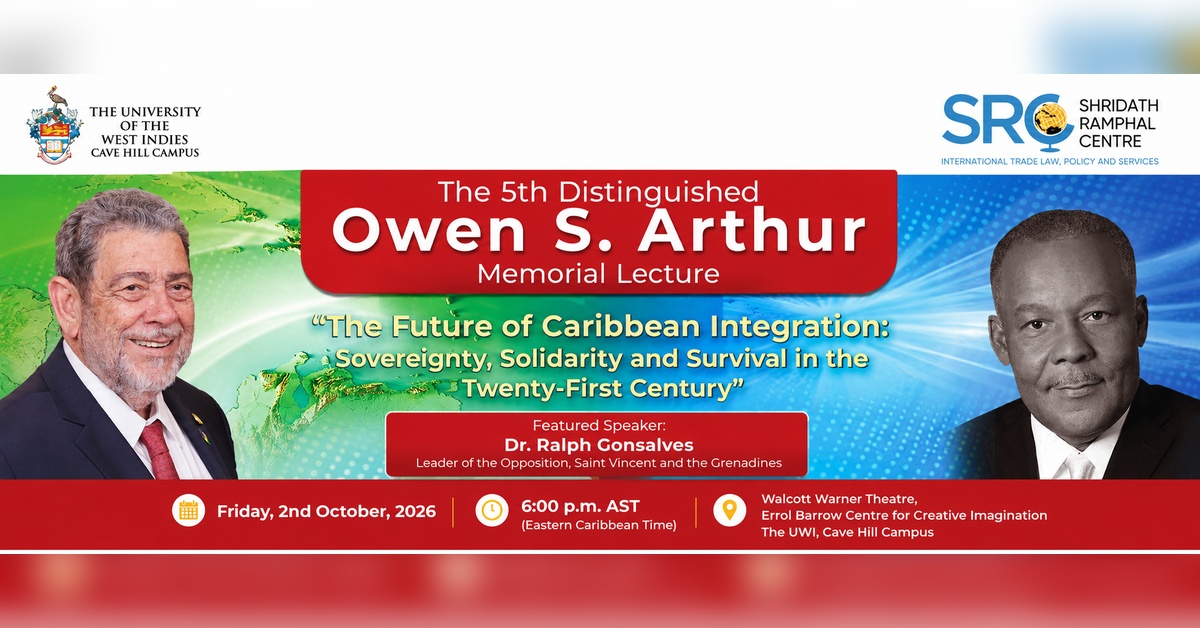
I have learnt a long time ago that being a supporter of Caribbean integration is akin to that of being a West Indies Cricket Fan …we spend more time defending their performance than celebrating their achievements. Today is different. We are on the cusp of the major milestone within our Caribbean Community (CARICOM) of the full free movement between a selected group of 4 countries comprising of Belize in Central America, Dominica and St. Vincent and the Grenadines within the Organisation of Eastern Caribbean States (OECS) and Barbados. Having visited and worked across all 4 jurisdictions, I am cautiously excited for the ability to be ‘welcomed home’ by immigration officials in Kingstown, Melville Hall and Belize City.
Reflecting upon a recent conversation with a colleague, I remarked that the Grand Anse Declaration of 1989 provided the impetus for a Single Market in the shortest possible time. Nearly 40 years later, and thanks to the Enhanced Cooperation Chapter of the Revised Treaty of Chaguaramas, there was an agreement between Prime Ministers Mottley, Briceño, Skerritt and Gonsalves to commit their territories and citizens to full free movement as a group within the CARICOM Single Market.
As we countdown to the first of October, the question is what comes next? It is time to engage in strategic communication. Consider subscribing to the daily news media outlets across the 4 countries to increase your knowledge of their daily events as well as to acquaint yourself with any potential business or employment opportunities. Be prepared to be patient because there will be some hiccups but accept that it must be corrected because progress must be made.
I further encourage all young people to start to learn the CARICOM Governance mechanisms, so you can hear regional news and updates directly from the Heads of Government following their bi-annual live streamed conferences. Also, subscribe to the social media channels of regional institutions such as the CARICOM Implementation Agency for Crime and Security (IMPACS), Caribbean Public Health Agency (CARPHA) and the CARICOM Secretariat to hear the news directly from the source to avoid any misinformation, disinformation or untruths floating across the Caribbean Sea. These Institutions along with several more provide specialist, technical expertise to the entire region daily.
For young professionals, I would suggest venturing to the OECS territories first, since they have had full freedom of movement for over a decade and their movement has been tested and proven within the Eastern Caribbean Economic Union area. Within the OECS, full freedom of movement allows for receiving an indefinite stay stamp upon arrival at the Immigration, traveling with any valid government-issued identification card, mutual recognition of driver’s licenses, the elimination of the requirement of a work permit for citizens within the Economic Union, portability of social security, number portability, access to the rights and freedoms related to employment, education, healthcare and social protection within the OECS for citizens, spouses and their dependents.
For the older generations, encourage the young people to spread their wings and choose CARICOM first. After all, the CARICOM Single Market is merely a framework created by governments for us, the people and the private sector to utilize. It is our responsibility to ensure that our young people live and experience what is to be Caribbean and more specifically, for them to become CARICOM regionalists. Rather than a 5 day trip to Miami or New York City to attend concerts, sports games or to shop, I would suggest that you to consider the Dominican World Creole Festival, the Bequia Easter Regatta, Barbados’ Food and Rum Festival or explore and be amazed at the shades of blue within the Belizean Barrier Reef.
As we look to a new Caribbean reality, we need to combine youthful exuberance with technology to innovate our solutions. We need to merge communication networks. The region must revisit the single domestic space. We need our civil society organisations especially community groups to connect and share learned experiences. We need our Caribbean Studies, Social Studies and Geography classes to reflect the realities of living with volcanoes, indigenous groups, Mayan mountains and evergreen forests…because their reality is now our collective reality.
Furthermore, we need to be kept abreast of the geopolitical tensions, the threat of aggressive action within the tranquil Caribbean Sea and the ongoing border disputes affecting the jurisdictions. Then, we can transition to the larger, more challenging conversations that include standardization and harmonisation of services across our jurisdictions. Intra-regional air and maritime transportation providing reliable, sustainable, affordable and bi-weekly services between the 4 jurisdictions remain a necessity. There must be nonstop, direct transport options with the understanding that the purpose of the transport service is to create a bridge between the 4 jurisdictions as a means of overcoming the separation caused by the distance and the North American visa requirements.
As we look positively to this new reality of CARICOM Integration, I’ll end with these words from former Professor of Practice and the 5th Prime Minister of Barbados Owen Arthur (2007),
“Ours is therefore the region in today’s world where integration is most sorely needed as the indispensable foundation on which to rest national and regional endeavours in pursuit of equitable and sustainable development. We have tried all the others – various relationships and configurations with metropolitan powers, self-determination and national independence. It is time to now give Caribbean unity a chance.”
Dr. Kai-Ann Skeete is committed to solving regional problems as the Trade Policy Research Fellow of the Shridath Ramphal Centre.